

How to Choose the Right Brake Caliper Manufacturer in 2025
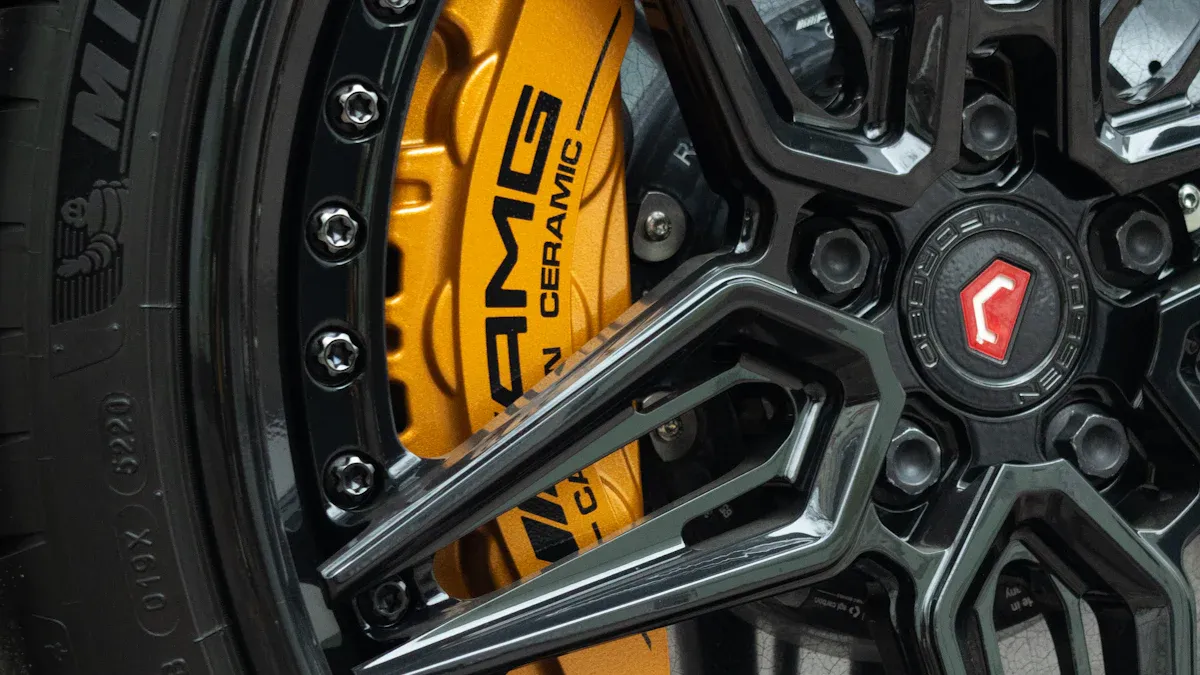
When you pick a brake caliper manufacturer, focus on quality, fit, customer help, and up-to-date rules. Your choice is important. Brake problems cause 22% of crashes from car defects. Also, 42% of all defect accidents are because of brakes.
- Bad materials or poor checks make accidents more likely and can cause recalls.
- Good Car Brake Caliper choices, like Rear Brake Calipers and Blue Brake Calipers, help keep cars safer.
- Top manufacturers now use light materials and new tech in Auto Brake Calipers to follow tough safety and green rules.
Key Takeaways
- Pick brake calipers from companies with good reputations. Make sure they have safety certifications like ISO, DOT, or ECE R90. This helps you get quality and safe products.
- Use fitment tools to match brake calipers to your car. Check your car’s make and model. Pick the right caliper type and material for your car.
- Think about both OEM and aftermarket calipers. OEM calipers fit perfectly and have a warranty. Aftermarket calipers give you more options but can be different in quality.
- Choose calipers made from strong materials like aluminum or cast iron for daily driving. Use titanium or carbon composite calipers for high-performance cars.
- Look at the warranty and customer support before you buy. This protects your money and helps if you have problems.
Why Manufacturer Choice Matters
Safety and Performance
You trust your brakes every time you drive. Picking the right brake manufacturer keeps your car safe. Top companies use strong materials like aluminum and titanium. These materials make calipers light and tough. Some manufacturers spend money on research to improve calipers. Their calipers work well with systems like ABS and EBD. Fixed calipers are found in fast cars. They help you stop better and control your car. Good manufacturers follow safety rules and use smart designs. This makes your brakes react quickly and last longer. Better technology helps your car get higher safety scores. Electric cars need calipers that handle new types of braking. Choosing a good manufacturer gives you the newest safety features and strong brakes.
Tip: Always check if the manufacturer follows safety rules and uses new materials in their calipers.
Reliability and Value
Strong brake calipers save you money and time. Trusted companies make calipers that last and work well. Here are reasons why good calipers are worth it:
- Good materials like aluminum and stainless steel make calipers strong.
- Careful testing makes sure calipers work under heat and pressure.
- Good warranties protect you from problems.
- You fix or replace calipers less often, so you save money.
- Tough calipers can cost less, giving you more for your money.
Manufacturers now use light materials to make calipers last and save fuel. As cars get older, people want calipers that are cheap and strong. Picking a trusted company means you get calipers that follow safety rules and work well for a long time.
Vehicle Requirements
Identify Needs
You need to know what your car needs. Every car, truck, or SUV is different. The weight and design change what calipers you need. Look at your car’s service manual. It tells you how to take off and put on parts. Check your car’s make, model, and year. Calipers must fit right. If they do not, they may not work with the rotor.
Tip: Buy brake calipers that match your car’s make and model. This helps the brake hose connect and mount the right way.
Use this checklist to help you pick:
- Make sure the caliper fits your car’s rotor size.
- Match the caliper to your hydraulic system.
- Check the rotor’s diameter and thickness.
- Make sure your wheel is big enough for the caliper.
- Use OEM part numbers for regular replacements.
- Ask trusted sellers about upgrades.
Different cars need different calipers. Small cars use floating calipers to save money and space. Big cars or sports cars need fixed calipers for strong stopping. The material matters too. Cast iron calipers are good for heavy cars. Aluminum calipers are best for fast cars. Stainless steel calipers do not rust in tough places.
| Vehicle Type | Recommended Brake Caliper Brand(s) |
|---|---|
| Sports Cars | Wilwood Engineering (GM vehicles 1968-1996) |
| SUVs | A-Premium Brake Calipers (Ford Escape, Mazda Tribute) |
| Regular Passenger Cars | AC Delco Brake Calipers (Jeep Wrangler, GM models) |
Caliper Types
There are three main caliper types. They are fixed, floating, and swinging. Each type works for different cars and driving styles.
| Feature/Aspect | Fixed Calipers | Floating Calipers | Swinging Calipers |
|---|---|---|---|
| Piston Placement | Pistons on both sides of the rotor | Single piston on one side, slides on pins | N/A |
| Braking Performance | Even clamping force, better braking performance | Uneven pressure, slightly reduced performance | N/A |
| Weight | Heavier, bulkier | Lighter, more compact | N/A |
| Cost | More expensive to produce and maintain | Cost-effective, cheaper to manufacture | N/A |
| Maintenance | More complex, durable materials | Easier to maintain, sliding pins require care | N/A |
| Application | High-performance, heavy-duty vehicles | Everyday passenger vehicles | N/A |
| Advantages | Consistent pressure, high performance, durable | Lightweight, compact, cost-effective | N/A |
| Disadvantages | Heavy, bulky, costly | Uneven pressure, sliding pin wear | N/A |
Fixed calipers give even braking force. Pick them for big or fast cars. Floating calipers have one piston and slide to work. These are good for regular cars. Swinging calipers are rare and found in old cars.
Think about how you drive when you pick calipers. If you drive fast or pull heavy things, get fixed calipers. They give steady pressure. For daily driving, floating calipers are cheaper and work well. Always match caliper disc brakes to your rotor and wheel size. This keeps you safe and helps your brakes work right.
Note: Pick the right caliper type and material for your car and how you drive. The wrong choice can make your brakes work less well and wear out faster.
You need to know what kind of brakes your car uses. This helps you pick the best calipers for your needs. Caliper disc brakes stop cars well and are used in most new cars.
Evaluating Brake Caliper Manufacturer
Reputation and Certifications
When you pick a brake caliper manufacturer, reputation matters most. A good reputation means the company makes products you can trust. Brands like Brembo, Wilwood Engineering, Power Stop, and StopTech are well-known. They are famous for quality, new ideas, and happy customers. These companies use strong materials and careful checks. They test calipers for strength and rust. You can count on these brands for a good fit and long life.
Tip: Choose manufacturers that use new technology and help customers. This means they care about your safety and happiness.
Certifications are very important too. They show the company follows strict rules. Here are some certifications to look for:
- ISO certification: Shows the company uses good systems and makes high-quality products.
- DOT certification (U.S.): Proves the calipers meet safety rules in the United States.
- ECE R90 certification (EU): Means the calipers follow safety, noise, wear, and green rules in Europe.
A manufacturer with these certifications has passed hard tests. This means you get calipers that are safe and strong. Always check for these marks before you buy.
Look at how long the company has been around. If they have a long history, they know what they are doing. Companies with good reputations give better warranties and help after you buy. This helps you feel safe if something goes wrong.
OEM vs Aftermarket
When you buy brake calipers, you will see two choices: OEM and aftermarket. Each choice has good and bad points. Knowing the difference helps you pick the best one.
| Aspect | OEM Brake Calipers | Aftermarket Brake Calipers |
|---|---|---|
| Quality | Made by the car’s company; fits perfectly; tested and meets car rules | Quality is different for each brand; may not be as good |
| Warranty | Usually has a car warranty or a one-year warranty | May have little or no warranty |
| Fitment | Fits your car model perfectly | May need changes to fit |
| Cost | Usually costs more | Usually costs less |
| Performance | Keeps your car working like new | Many choices, some for better performance |
OEM calipers are made by your car’s company. They fit right and follow safety rules. You get a good warranty, often for one year. These calipers help your car work as it should. They cost more, but you feel safe.
Aftermarket calipers are made by other companies. They cost less and give you more choices. Some are made for better performance. Quality is not always the same. Some may not fit well or need extra work. Warranties are shorter or missing. If you pick aftermarket, choose a brand people trust.
Note: When you buy brake calipers, think about cost, fit, and quality. Always read reviews and check certifications before you decide.
Brake Calipers Quality
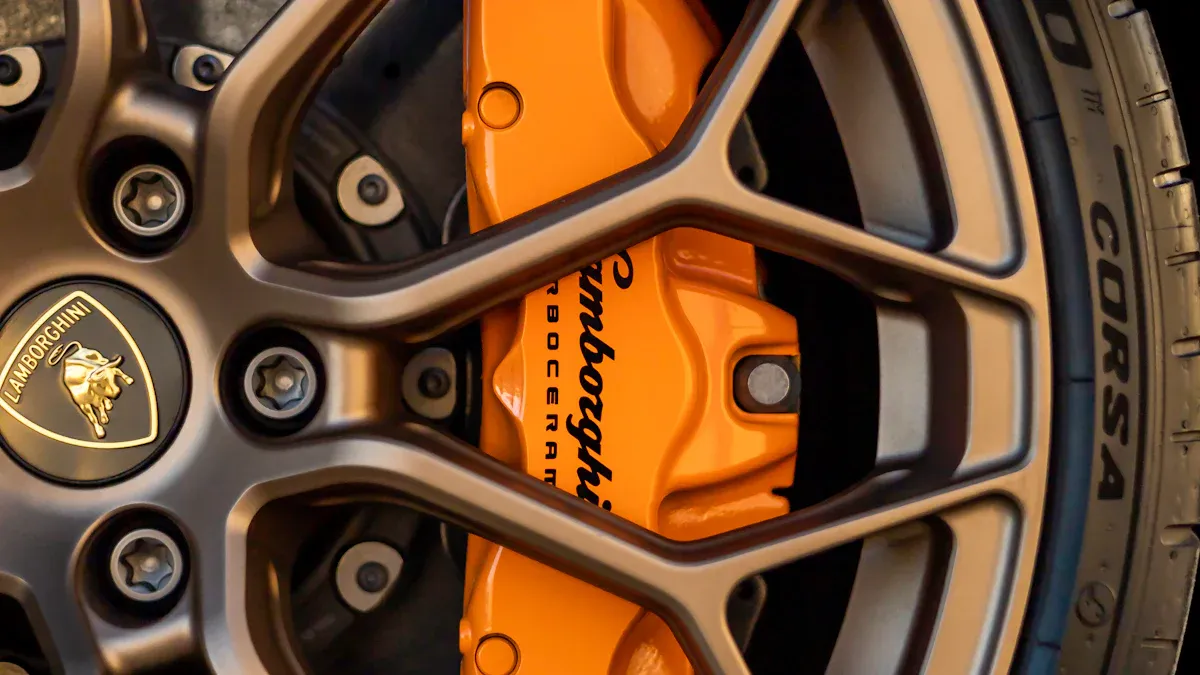
Materials and Durability
When you pick brake calipers, check the materials. The material changes how long calipers last and how well they work. Every material has good and bad sides. Here is a table to help you compare:
| Material | Weight | Heat Dissipation | Corrosion Resistance | Durability & Strength | Typical Applications |
|---|---|---|---|---|---|
| Aluminum | Lightweight | Good | Naturally resistant | Moderate strength | High-performance, sports cars, passenger vehicles |
| Cast Iron | Heavy | Moderate | Prone to corrosion | Very strong and durable | Heavy-duty vehicles, trucks, standard cars |
| Stainless Steel | Heavy | Better than cast iron | Excellent | High strength | Harsh environments, caliper hardware |
| Steel | Heavy | Moderate | Prone to corrosion | Strong and resilient | Heavy-duty applications |
| Titanium | Very lightweight | Excellent | Excellent | High strength | High-performance, expensive vehicles |
| Carbon Composite | Extremely light | Exceptional | Excellent | Extremely durable | Racing and luxury supercars |
Aluminum brake calipers are light and do not rust. Cast iron brake calipers are heavy but very strong. Stainless steel and titanium brake calipers are stronger and handle heat better. Carbon composite brake calipers are super light and tough, but cost a lot.
Tip: For everyday driving, aluminum or cast iron brake calipers are good. For racing or hard driving, pick titanium or carbon composite for better heat control.
Performance Features
Good brake calipers have features that help safety and performance. You want calipers that can handle heat, pressure, and wear. Look for these features:
- Multi-piston designs give even pressure and help you stop fast.
- Fixed caliper disc brakes use pistons on both sides for strong braking.
- Protective coatings stop rust and help calipers last longer.
- Strong mounting brackets keep calipers in place and stop bending.
- Good seals and lubricants help calipers move smoothly and last longer.
Heat resistance is important for hard driving. Aluminum or titanium calipers cool down quickly and stop brake fade. Cast iron calipers can take high heat and do not bend easily. Carbon composite calipers handle very high heat and stay strong, even in races.
You should also look for pressure testing and good seals. These features keep calipers safe and stop leaks. When you pick calipers with these features, your brakes work better and last longer.
Note: Always pick brake calipers that match how you drive and your car’s needs. The right caliper disc brakes keep you safe and help your car stop well.
Compatibility and Options
Fitment Tools
You must make sure brake calipers fit your car. Cars change a lot, so you need the right tools. Fitment automation systems help match calipers to your car. These systems use ACES and PIES to keep data correct. You can search by year, make, and model to find the part. Manufacturer databases and catalogs update often. This gives you the newest fitment info.
- Vehicle selector tools let you type in your car’s details. You only see calipers that fit your car.
- Fitment software links with warehouses and catalogs. You always get the latest data.
- These tools show things like bolt patterns and how to install.
Tip: Fitment tools help you avoid mistakes and returns. You save time and do not buy the wrong part.
Some problems happen with caliper clearance and wheels. Wheel offset, size, and width change how calipers fit. Bigger tires can rub against calipers. Aftermarket calipers and big kits may need more space. Always check clearances and read manufacturer rules before buying.
Customization
You have lots of brake caliper choices to upgrade or change your brakes. Top brands offer calipers with two to six pistons. These spread force and help you stop better. Some calipers have cooling fins or airflow channels for heat.
- CNC machining and 3D printing make calipers light and strong.
- You can pick colors, finishes, and add logos for style.
- Brands like Wilwood Engineering let you choose many designs and finishes. You do not lose performance.
Custom calipers help you stop better and last longer. They also manage heat well. You get style and good function. When you look at caliper options, you can find what fits your needs and driving style.
Customer Support and Warranty
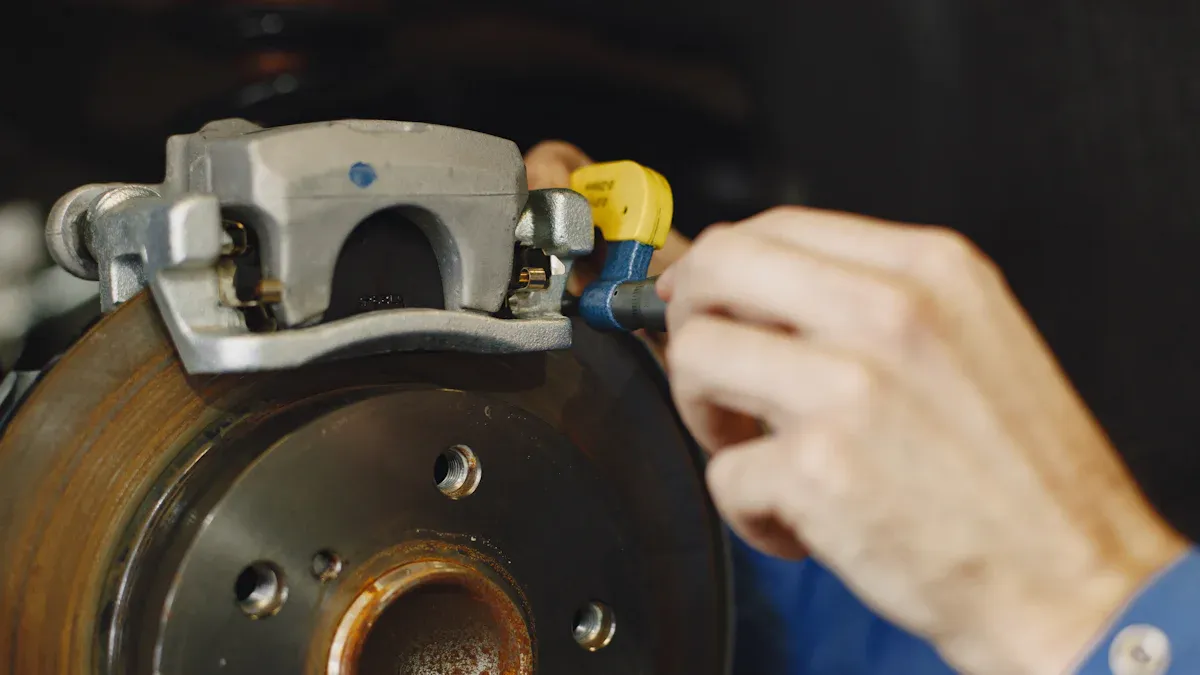
Service and Support
When you pick a brake caliper manufacturer, check their customer service first. Good support helps you fix problems fast. If you have questions about fitment or installation, you want quick answers. Top companies let you call, email, or chat online. Some give you guides or videos to help you. This makes things easier and less stressful for you.
A company with good service cares about its products and customers. You can trust brands that help people and have a good name. Reliable support means you get help if your calipers have issues. You do not need to worry about being stuck with a problem.
Tip: Choose a manufacturer known for quick and helpful customer service. This helps you feel safe if you ever need help.
Warranty Terms
Warranty is important when you compare brake caliper manufacturers. Not all warranties are the same. Some companies give a 90-day warranty for defects in materials and workmanship. Others offer longer coverage, sometimes up to five years or 60,000 miles for calipers. Factory warranties usually last longer than aftermarket ones.
You should read the warranty details before you buy. Most warranties do not cover damage from rust, misuse, or bad installation. They also do not pay for labor or extra costs. The warranty is usually for the first buyer and covers the part’s price.
- Brake calipers are not wear-and-tear parts, so many factory and extended warranties cover them.
- Coverage time can be a few months or several years.
- Wear parts like pads and rotors have shorter or no warranty.
- Exclusions often include damage from misuse or poor installation.
- Some brands give extra coverage with extended warranties, but these may cost more.
Note: Always compare warranty terms and after-sales service before you buy. A strong warranty protects your money and shows the manufacturer supports its products.
Pricing and Value
Cost vs Quality
Brake calipers can cost very little or a lot. Some are under $40. Others cost more than $100. Price usually shows how good the caliper is. Cheaper calipers do basic jobs and last a short time. These are fine for normal driving. They may not work well in hard conditions.
| Price Range | Product Quality and Features |
|---|---|
| Under $40 | General-purpose calipers, common for front and rear use; lower cost but standard durability |
| $100 and above | Calipers designed for enhanced performance; made with sturdier, longer-lasting materials; suitable for aggressive driving styles such as racing |
If you drive fast or pull heavy things, you need strong calipers. Expensive calipers use better materials and smart designs. These last longer and help you stop faster. Stay away from brands that use poor materials. Cheap calipers might break or wear out quickly.
Tip: Pick brake calipers that fit how you drive. Do not just look at price. Good calipers keep you safe and save money later.
Total Ownership
Think about all the costs, not just the price. Good calipers cost more at first. They last longer and need fewer repairs. You spend less on fixing or replacing them. Strong calipers protect other brake parts from damage.
Check the warranty and support before you buy. Trusted brands give better help and coverage. This makes you feel safe. Buying strong calipers gives you better brakes and saves money over time.
Reviews and Red Flags
Customer Feedback
Always read customer reviews before you buy brake calipers. Reviews from real people show what you might face. Many buyers talk about fit, quality, and how well calipers work. Reviews can point out problems that are not in the product info.
- About 30% of brake failures come from bad parts. This means you must pick good brake calipers.
- Some customers say calipers do not fit their cars. This happens when people do not check or use the wrong fitment tools.
- Buyers sometimes do not know the difference between floating and fixed calipers. This makes it easy to pick the wrong one.
- The material you pick matters a lot. If you ignore heat or weight, your brakes may not work well.
- If calipers do not have the right certifications, you can have legal problems.
- It is hard for many people to compare brands. This is because brands use different rules and do not share enough info.
Tip: Find reviews that talk about using calipers for a long time. These reviews show which brands support their products.
Common Mistakes
You can stop many problems by learning from others’ mistakes. The most common mistakes when picking or installing brake calipers are:
- Not matching the original part, like using the wrong pad material.
- Forgetting hardware like shims and clips, which can make noise and wear out parts.
- Not checking the rotor, which can cause uneven wear or noise.
- Not flushing brake fluid, which lets water hurt your new calipers.
- Skipping the break-in step, which can make pads and rotors wear unevenly.
Here are more things to watch out for:
| Mistake / Issue | Explanation |
|---|---|
| Not flushing brake fluid before replacement | Old fluid can hurt new caliper seals and cause leaks. |
| Ignoring the whole brake system’s condition | Worn parts can make new calipers break fast. |
| Improper lubrication of contact points | No grease can cause rust and noise. |
| Misreading wetness around piston boot | Assembly fluid can look like a leak but is often normal. |
- Tightening brake hose fittings too much can break threads and cause leaks.
- Make sure the brake hose is straight so fluid flows right.
- Be careful with brake fluid. It soaks up water and can hurt parts.
- Keep track of shims and clips for a good fit and quiet brakes.
- Grease all needed spots to stop rust and noise.
Note: Careful research and paying attention help you avoid these mistakes. Pick trusted brands and follow the steps to get the best from your brake calipers.
Brake Caliper Buying Guide
Summary Checklist
Use this checklist to help you pick the right brake caliper for your car. Each step helps you avoid mistakes and keeps you safe.
- Check Product Quality and Certifications
Make sure the calipers meet OEM standards or are even better. Look for certifications like ISO/TS 16949. These show the maker follows strict rules for quality. - Confirm Compatibility and Fitment
Match the caliper to your car’s make, model, and year. Use charts or online tools from the manufacturer. If you are not sure, ask technical support for help. - Review Materials and Performance Features
Pick the right material for how you drive. Aluminum is good for daily driving. Titanium or carbon composite is best for high-performance cars. Look for features like multi-piston designs and coatings that stop rust. - Compare OEM and Aftermarket Options
Decide if you want OEM calipers for a perfect fit and warranty. Aftermarket calipers give you more choices and may cost less, but quality can change. - Evaluate Warranty and Customer Support
Read the warranty details. Choose a manufacturer with good customer service. Good support helps you fix problems fast. - Assess Total Cost of Ownership
Think about more than just the price. Check how long the caliper will last and how much care it needs. Strong calipers save you money over time. - Read Customer Reviews
Look for reviews about fit, strength, and support. Other drivers’ feedback can show hidden problems or good things.
Tip: Print this checklist or save it on your phone. Use it when you shop or talk to a brake caliper manufacturer.
Next Steps
After you narrow down your choices, follow these steps to buy with confidence:
- Check the product quality and look for certifications. Make sure the calipers meet OEM specs and have certifications like ISO/TS 16949.
- Confirm the caliper fits your car using charts or technical support. Always check the fit for your car’s make, model, and year.
- Read the installation and care instructions. Follow what the manufacturer says, use good brake fluid, and check for damage often.
- Choose between OEM and aftermarket calipers. Think about the benefits of a perfect fit and warranty versus cost and quality.
- Think about your needs, budget, and how you drive. Pick the caliper that matches your style and what you expect.
- Contact the manufacturer or seller if you have questions. Use their technical support to clear up any doubts before you buy.
Note: If you feel unsure at any step, ask a trusted mechanic or brake expert. Their advice can help you avoid expensive mistakes.
A good brake caliper buying guide helps you make smart choices. Take your time, use the checklist, and ask questions. You will find the right caliper for your car and how you drive.
Picking the right brake caliper manufacturer keeps you safe and protects your money. Follow the checklist to help you choose. Talk to experts if you are unsure.
- Look at the manufacturer’s reputation and certifications.
- Check if the product is good quality.
- Read about the warranty and customer support.
- Ask if they help with installation and have replacement parts.
- Talk to a mechanic for tips on taking care of your brakes.
| Key Criteria | Industry Best Practice Example |
|---|---|
| Quality & Durability | Materials that do not rust and strong alloys |
| Compatibility | Calipers that fit your car’s size and needs |
| Performance | Calipers that meet safety and braking rules |
Make smart choices so your car stays safe and works well.
FAQ
What certifications should you look for in a brake caliper manufacturer?
Look for ISO, DOT, or ECE R90 certifications. These show the company follows strict safety and quality rules. Always check for these marks before buying.
How do you know if a brake caliper will fit your vehicle?
Use the maker’s fitment tools or online lists. Type in your car’s make, model, and year. This helps you find the right caliper for your car.
Can you mix OEM and aftermarket brake calipers?
You can use both types together, but match their fit and performance. Always check if they work well together. Mixing brands can change how your brakes work and may affect safety.
What is the average lifespan of a brake caliper?
Most brake calipers last from 75,000 to 100,000 miles. How long they last depends on how you drive, where you drive, and how you care for them. Check your calipers when you check your brakes.
Why do some calipers cost much more than others?
Calipers cost more if they use better materials or have special features. Some brands are known for high quality. Expensive calipers last longer, work better, and often have stronger warranties.


